

Know what the plea does before you take it.
A plea can make you removable, close the relief that would have saved you, and take away the bond hearing. It does different things to a green card holder, a visa holder, a person with no status and a person with a pending application. We read the charge against the immigration statute, take the plea or write the opinion letter for the lawyer who has it, and defend the case if it reaches immigration court.
Plea date this week? Call (718) 484-7510 and we will read the charge with you today.
- Before, during and afterPlea advice, the opinion letter, and removal defense if it comes to that.
- Nationwide on the immigration sideImmigration law is federal. We read pleas from any court in the country.
- Admitted in NY, NJ, FL and PAIn those four states we take the plea negotiation ourselves.
- Any languageEnglish, Russian, Spanish and Uzbek in-house, an interpreter for the rest.
Enter the plea. See what it does. Take it to a lawyer.
Seven short steps: who you are, what is pending, which court, the offense, the sentence, any priors, a review. The result names every ground the plea triggers, everything it closes, whether detention is mandatory, your state's sentencing and diversion rules, and what to ask the prosecutor for instead, each line with the authority behind it.
- All fifty states, D.C. and federal court, with verified state notes
- Runs in your browser; nothing you type is sent or stored
- A copyable summary for your criminal lawyer, or for us
Two pleas to the same charge. One goes home. One is deported.
Same arrest, same count, nearly the same sentence. The immigration statute does not read the story; it reads the plea. One word in the count or one day in the sentence can be the whole difference between walking out of the courthouse and being taken into custody. This shows how the rule works on one set of facts; it is not a client's case, and a real case turns on its own statute and record.

Theft, 364 days
A theft offense needs a sentence of a year to be an aggravated felony. For a green card holder with no other record, admitted more than five years before the offense, that means no ground of removal and no mandatory detention. He goes home.
Pleas that keep you here →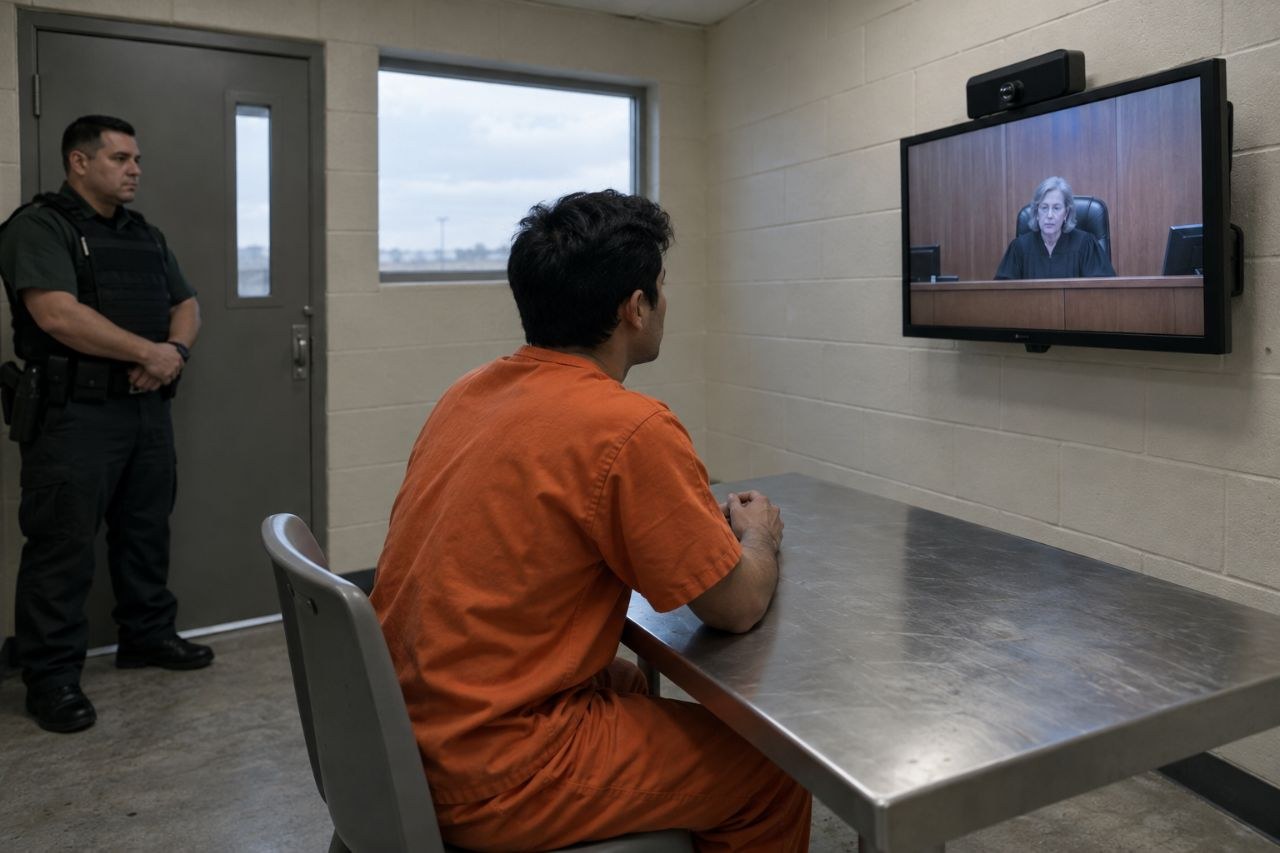
Theft, one year suspended
The same person, the same charge. A theft offense with a one-year sentence is an aggravated felony, and a suspended year counts as a year. Mandatory detention, no cancellation, no waiver, and after removal a permanent bar on coming back.
The cases where it went this way →One day in the sentence decides it. Enter the plea you are being offered and see which side of the line it falls on. Open the plea tool
Four services, one first step: reading the charge against the immigration statute
We take the criminal case when a negotiated plea is the goal. We write the opinion letter when you already have a defense lawyer. We defend you in immigration court if a conviction leads there. And we file what comes after. The services page has the detail.
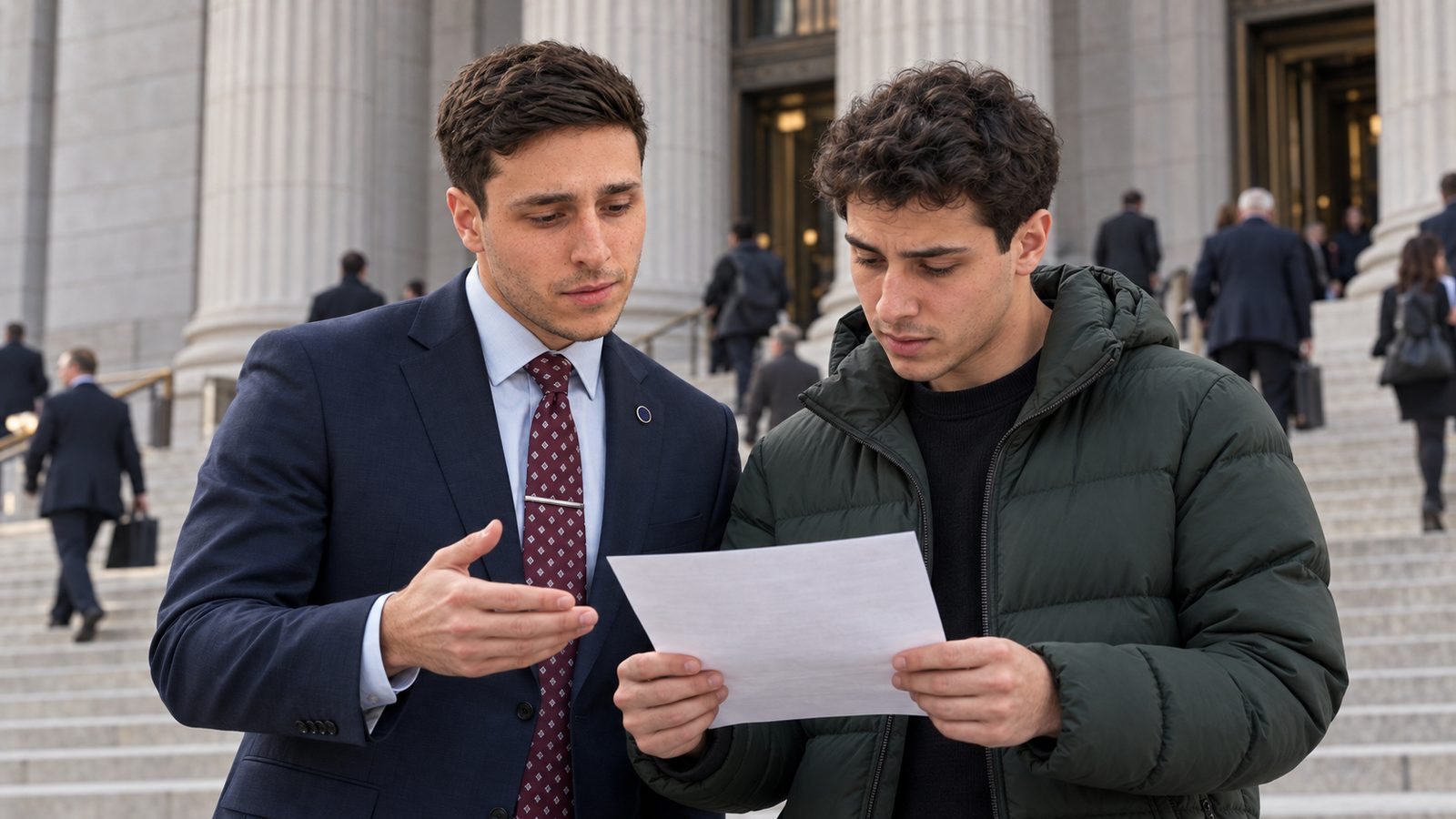
We take the plea
The count, the sentence and the record, negotiated for what they do under the immigration statute. Pleas only, in New York, New Jersey, Florida and Pennsylvania; opinion letters for defense lawyers in every state.
How it works →
You already have a lawyer
Keep them. We write the immigration analysis of the offered plea and what to ask for instead, to you and to your defense counsel, in writing.
What the letter covers →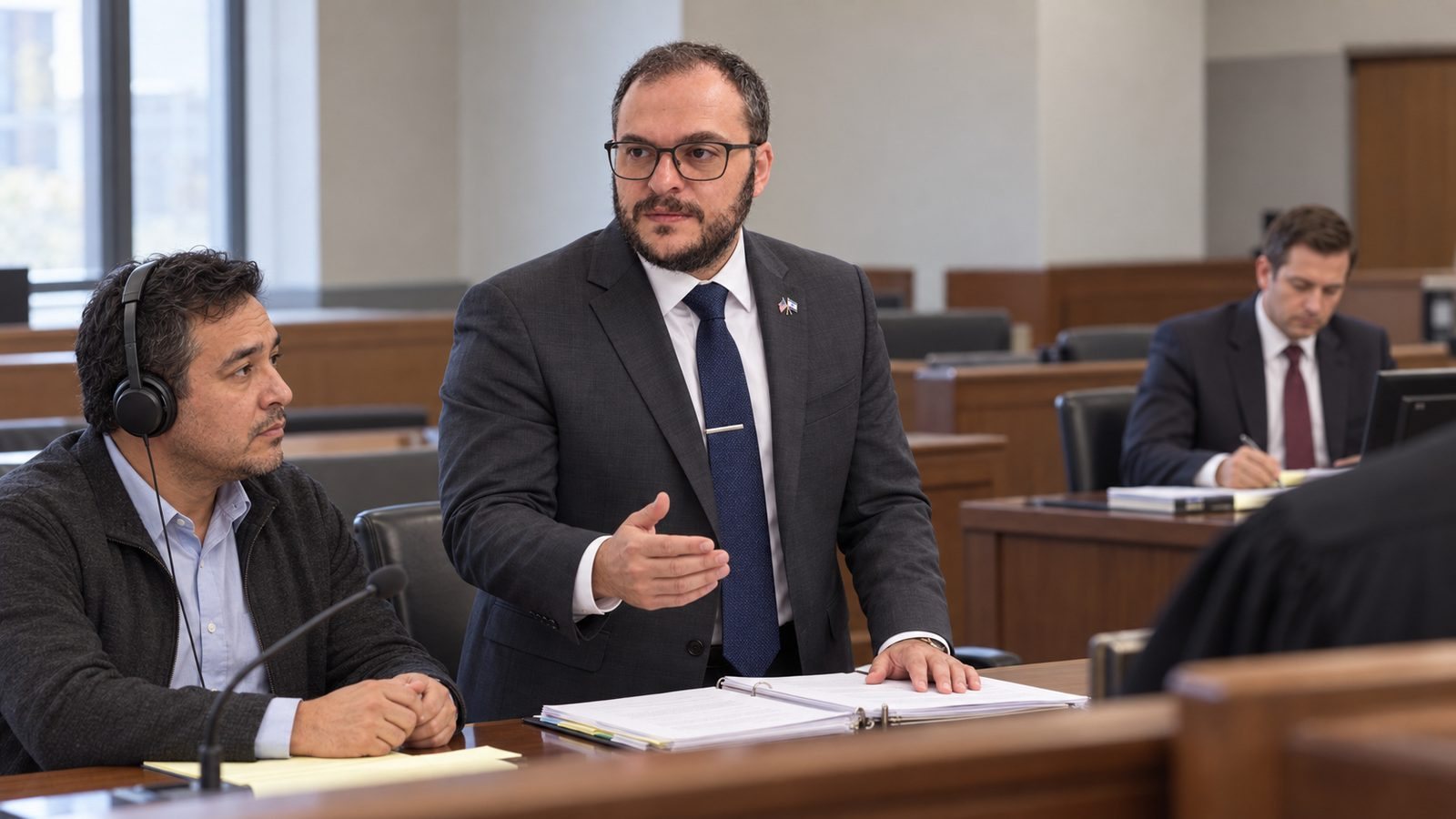
A conviction led to court
We contest the charge, file every form of relief in the alternative, and take the appeal. Bond and detention through icebail.com.
What to expect →
Filing with a record
A green card with a waiver, citizenship after the statutory period, travel with a conviction, and the post-conviction work planned alongside.
What can be filed →The same plea does different things to different people
Which list of grounds applies, and which relief is at stake, depends on who you are. Pick the one that matches and the status page takes it from there.

Three dates decide it
When you were admitted, when you became a resident, when the offense was committed. Cancellation, the waiver and travel all turn on them.
Green card holders →
The status itself is at stake
Visa, TPS, DACA, asylee or refugee: the conviction is tested one way now and another way the day you apply for anything.
Visa holders →
The inadmissibility list, and the arrest itself
Cancellation and a family green card can close on one conviction, and the Laken Riley Act reaches a theft arrest before any plea.
No lawful status →
Tested on the day it is decided
Adjustment, naturalization, TPS and asylum each have their own criminal bars, and a plea during the case can end it.
Applicants →Real cases, real names, all of it avoidable
Ten reported Supreme Court cases in which a noncitizen took a plea nobody had read against the immigration statute. Some won in the end. All of them spent years in proceedings. Three of them:
A Vietnam veteran, forty years a resident
Pleaded to transporting marijuana after his lawyer said he did not have to worry about immigration because he had been here so long. The plea made removal virtually mandatory.
What happened → Lee v. United States, 2017Two restaurants in Memphis, one wrong answer
He asked repeatedly whether he would be deported and was told no. The ecstasy plea was an aggravated felony with mandatory removal and no relief.
What happened → Pereida v. Wilkinson, 2021A false Social Security card that closed cancellation
Attempted criminal impersonation in Nebraska. The record never said which subsection, and an inconclusive record meant he lost the relief that would have let him stay.
What happened →Removable, ineligible, detained
A conviction affects an immigration case in three separate ways, and a plea has to be checked against all three before it is accepted. The full map is on the crimes and removal page.
Make you removable
Crimes involving moral turpitude, aggravated felonies, drug, firearms and domestic violence offenses. Which list applies depends on whether you were admitted.
The grounds →Close relief
Cancellation, the waivers, adjustment, asylum, voluntary departure and naturalization each have their own criminal bars, and the bars are different from the grounds.
What each one bars →Make detention mandatory
INA 236(c) takes away the bond hearing for the grounds it lists, and the Laken Riley Act reaches certain theft and assault arrests before any plea.
Mandatory detention →The rules that decide most pleas

What counts as a conviction
A plea with probation and no judgment is a conviction. An expunged record is a conviction. A youthful offender adjudication is not.
Read →
Aggravated felonies
Not a felony, not necessarily aggravated. The 21-entry list, the one-year and $10,000 statutory thresholds, and everything the label closes.
Read →
The 364-day sentence
Why one day keeps a theft, assault, forgery or obstruction plea off the aggravated felony list, and how the request is made in each court.
Read →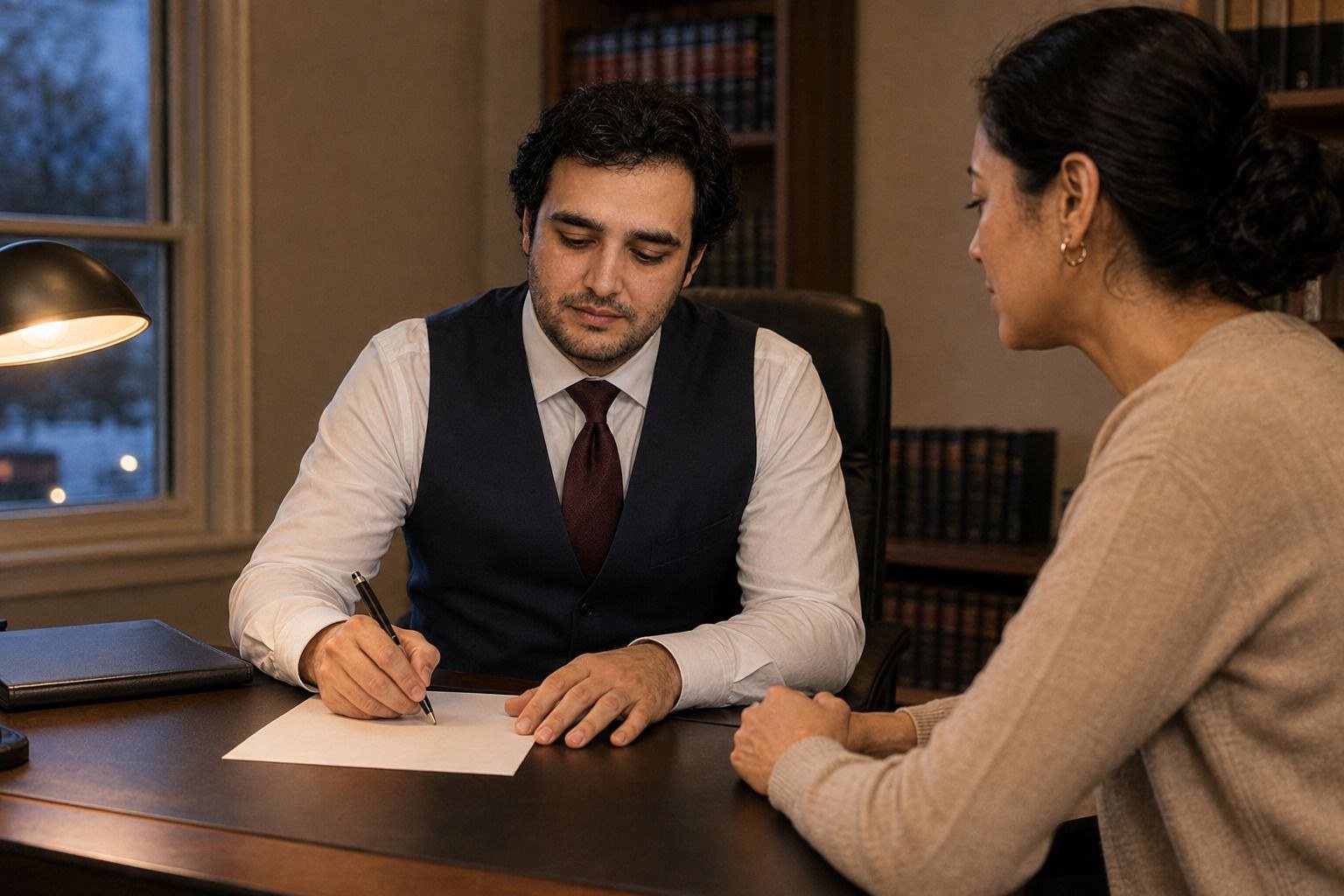
Crimes involving moral turpitude
One within five years of admission, or two at any time, and the petty offense exception.
Read →
Drug offenses
Any controlled-substance conviction except one small marijuana possession, and why the waiver almost never reaches drugs.
Read →
Advice before a plea
Padilla v. Kentucky: what the advice has to cover, and what happens if you never got it.
Read →Three numbers that decide pleas
The immigration statute turns on exact thresholds, and a plea can be negotiated to land on the right side of each of them.
364 days, six months, and a statutory threshold of $10,000
364 days. A theft, crime of violence, forgery or obstruction with a sentence of at least one year is an aggravated felony, and a suspended year is a year. A sentence of 364 days is not.
Six months. A single crime involving moral turpitude stays inside the petty offense exception on the inadmissibility list if the maximum was one year or less and the sentence was six months or less.
$10,000. A fraud offense is an aggravated felony only if the loss to the victim exceeds this statutory threshold on the count of conviction. The record decides the number.
The rules moved, and most of what is online has not
We tie the rules we state to their primary sources, show when a page was last brought current, and update the pages and the tool when those sources change. Every development that affects pleas, newest first:
 2026
The BIA appeal deadline is 30 days, not 10
A 10-day deadline for appeals to the Board of Immigration Appeals was published at 8 C.F.R. 1003.38(b)(1) and was vacated in Amica Center for Immigrant Rights v. EOIR before it took effect. Thirty calendar days governs an appeal from an immigration judge's decision, including a decision that rests on a conviction, and the deadline should be confirmed with a lawyer rather than read off the regulation as it appears online.
Removal proceedings after a plea → 2026
One motion to reopen, counted across both tribunals
Matter of M-M-L-J-, 29 I&N Dec. 843 (BIA 2026). A motion to reopen is generally due within 90 days of a final order of removal, and a person gets one; the Board held that a motion filed with the immigration judge and one filed with the Board are the same single allowance. For a person whose conviction is vacated after a final order, the motion that carries the vacatur back into court has to be the good one.
Post-conviction relief and the immigration calendar →2025Mandatory detention now reaches a charge, not only a conviction
The Laken Riley Act, Pub. L. 119-1, adds a ground of mandatory detention under INA 236(c) for a person who is inadmissible under 212(a)(6)(A), (6)(C) or (7) and who is charged with, arrested for, convicted of, or admits committing theft, burglary, larceny, shoplifting, assault of a law enforcement officer, or a crime resulting in death or serious bodily injury. For a person without lawful status, the charge alone can mean detention without bond before any plea is entered.
Mandatory detention after a plea → 2021
Recklessness is not enough for the force clause
Borden v. United States, 593 U.S. 420 (2021). An offense that can be committed recklessly does not have the use of force "against the person of another" as an element under the identically worded clause of the Armed Career Criminal Act. How the Board and the Second, Third and Eleventh Circuits apply Borden to the crime-of-violence definition in 18 U.S.C. 16(a) is a question we treat as open, which is a reason to look hard at the mental state of any offered assault count.
Aggravated felonies and the crime of violence → 2021
An unclear record now counts against the person seeking relief
Pereida v. Wilkinson, 592 U.S. 224 (2021). A person applying for relief bears the burden of showing that a conviction is not disqualifying, and loses if the record of conviction is inconclusive. A plea whose record does not show which subsection of a divisible statute was pleaded to leaves that burden unmet, so what the plea colloquy and the judgment say matters as much as the count.
The record of conviction → 2020
A resident's offense stops the cancellation clock without a trip abroad
Barton v. Barr, 590 U.S. 222 (2020). An offense that would make a permanent resident inadmissible under INA 212(a)(2) stops the seven-year clock for cancellation of removal under INA 240A(d)(1), even though a resident inside the country is not seeking admission. The clock stops on the date of commission, not the plea date, so a later plea cannot move it; what the plea can still change is whether the offense of conviction is a 212(a)(2) offense at all.
The stop-time rule →2019A sentence change counts only if the sentence was defective
Matter of Thomas & Thompson, 27 I&N Dec. 674 (A.G. 2019). A sentence modification is given effect for immigration purposes only if it was based on a procedural or substantive defect in the original sentencing. A reduction from one year to 364 days granted because a shorter sentence would help with immigration does not move the threshold, so the sentence has to be right the first time.
Sentence modification → 2019
Two DUIs create a presumption against good moral character
Matter of Castillo-Perez, 27 I&N Dec. 664 (A.G. 2019). Two or more DUI convictions during the statutory period create a rebuttable presumption that the applicant lacks good moral character. A simple DUI is not a crime involving moral turpitude, but a second one changes the naturalization analysis and the analysis for every other form of relief that requires good moral character.
Naturalization and a criminal record →2019New York caps the class A misdemeanor at 364 days
N.Y. Penal Law 70.15, as amended in 2019. The maximum sentence for a class A misdemeanor is 364 days, and a sentence of one year for a class A misdemeanor imposed before the amendment is deemed a sentence of 364 days. The one-year thresholds in the aggravated felony definition are measured against the sentence ordered, suspended time included, so the amendment matters to every New York misdemeanor plea and to older New York records.
A sentence of 364 days →Newest first.
Before the plea, with your criminal lawyer
Most of the time we are the second lawyer in the room. The order of work is the same every time.
The charge against the statute
We read the charging document and the statute against INA 101(a)(43), 237(a)(2) and 212(a)(2), element by element, under the categorical approach.
The categorical approach →Your status and your dates
Admitted or not. Green card since when. Offense committed when. Anything pending. The same plea does different things to different people.
Find your status →The written opinion
What the offered plea does, what to ask for instead, and why. In writing, to you and to your defense lawyer, which also documents the Padilla advice.
The written opinion →The negotiation
The count, the sentence, the disposition type, the factual basis. Prosecutors negotiate all four every day; the work is knowing which one matters for your case.
What to ask for →The record
The plea colloquy and the judgment are what the immigration judge will read. They are drafted to say what they have to and nothing more.
The record of conviction →After the plea
If a plea was entered without advice, a motion to vacate it. If a Notice to Appear follows, removal defense through our practice at immigrationtrial.com.
After a plea →
You keep the case. We write the immigration opinion.
An opinion letter, an alternatives memorandum for the negotiation, plea and record language, or a declaration for a motion to vacate. In writing, before the plea, for defense lawyers in every state.
- Immigration law is federal, so the letter is the same in Ohio as in Brooklyn.
- The advice Padilla v. Kentucky requires, in writing, to you and the client.
- In New York, New Jersey, Florida and Pennsylvania we can also sit at the table.

What we will tell you, and what we will not
We will tell you which list of grounds applies to you and why, which grounds the offered plea triggers, which it does not, and which depend on the statute or the record.
We will go down the list of relief and say what the plea closes. And we will say, specifically, what to ask your criminal lawyer to negotiate instead. We will not predict what a prosecutor or a judge will do, and we will not call any plea safe. We would rather say something uncomfortable before the plea than something comforting after it.
An immigration firm that reads the plea before it is entered
Mikhail Usher has represented immigrants for more than 15 years and founded the firm in 2013. The immigration practice runs the whole length of a case: plea advice before a conviction, post-conviction coordination after one, removal defense in the immigration courts, appeals to the Board of Immigration Appeals, and petitions for review in the federal courts.
 Mikhail Usher, Esq.Managing attorney. New York, New Jersey, Florida.
 Alexander Susi, Esq.Associate. New York, New Jersey, Pennsylvania.
 Mitchell Bromberg, Esq.Associate. New Jersey, New York.
Our other practice sites
Some parts of a case belong somewhere else. When they do, we say so and point you at the right page rather than making you search.
Our deportation defense practice. What happens in front of the immigration judge once a conviction leads to a Notice to Appear: contesting the charge, every form of relief, appeals and reopening.
Go to immigrationtrial.com →
usherlegal.comThe full firm, including the criminal defense practice that negotiates the plea and litigates the post-conviction motion where our attorneys are admitted.
Go to usherlegal.com →
icebail.comFinding someone in ICE custody, bond hearings, and federal habeas petitions when the court will not act.
Go to icebail.com →
asylumadvocate.comOur asylum practice, including the particularly serious crime bar and what a conviction does to asylum, withholding and protection under the Convention Against Torture.
Go to asylumadvocate.com →
visa4love.comMarriage and family-based immigration. The petition that makes adjustment possible after a conviction is filed and fought there.
Go to visa4love.com →
Common questions
Does a misdemeanor plea affect immigration?
It can. The immigration statute does not use the words felony and misdemeanor. A misdemeanor theft with a one-year suspended sentence is an aggravated felony under INA 101(a)(43)(G). A misdemeanor drug possession is a controlled-substance ground under INA 237(a)(2)(B). A misdemeanor assault on a spouse can be a crime of domestic violence. What matters is the category of the offense, the sentence, the date and your status, not the label the state uses.
Can a plea with no jail time still get me deported?
Yes. Most grounds of removal turn on the conviction, not on time served, and under INA 101(a)(48)(B) a suspended sentence counts in full. A plea of guilty with probation and no judgment is a conviction under INA 101(a)(48)(A). Whether that conviction is a ground of removal depends on the category, which is what the plea tool and the pages on this site explain.
My criminal lawyer says not to worry about immigration. Should I?
Under Padilla v. Kentucky, 559 U.S. 356 (2010), your criminal defense lawyer must advise you of the immigration consequences of a plea, and a lawyer who says the plea is safe when it is not has fallen below the constitutional standard. Ask for the advice in writing. If your lawyer cannot give it, that is what our opinion letter is: we read the charge against the immigration statute and tell you both what to ask for.
Is there a safe plea?
There is no list of safe pleas, and any list you find should be treated with suspicion. Whether a plea is a ground of removal is decided by comparing the elements of the statute to the federal definition, statute by statute. What exists is a set of things that make a plea safer: a sentence of 364 days rather than a year, a loss under the statutory threshold, a count without a force or intent element, a disposition with no plea at all. The plea strategy pages go through them.
I already took the plea. Is it too late?
No. The first question is whether the conviction actually fits the ground the government says it does under the categorical approach. The second is whether it can be vacated in the criminal court for a defect, most often a plea entered without the Padilla advice. The third is which waiver or relief survives it. Each has its own clock, and the earlier the review, the more options there are.
Do you handle cases outside New York?
The immigration side, yes. Immigration law is federal, so we advise on the consequences of a plea entered in any state or federal court and represent people before the immigration courts, the Board of Immigration Appeals and USCIS anywhere in the United States. Criminal defense representation itself is limited to the courts where our attorneys are admitted, and we work with your criminal lawyer everywhere else.
Tell us about the charge before you take the plea. Not after.
You get a free conversation with an immigration attorney, in your language. We speak English, Russian, Spanish and Uzbek in-house, and we bring in a live interpreter for anything else. We will read the charge against the immigration statute, tell you what the offered plea does to your status and to every form of relief, and tell you what to ask your criminal lawyer to negotiate instead. If the plea has already been entered, we will tell you what can still be done.